Brats, Bread and Beer: The German Influence on New Orleans Food
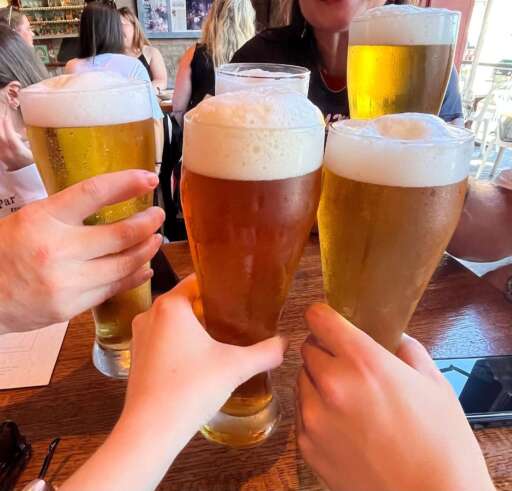
When you think about the cultures that shaped New Orleans food, French, Spanish, African and Caribbean influences probably come to mind first. But there’s another culinary tradition woven deeply into the way New Orleans eats: German. In fact, German immigrants were helping feed New Orleans almost from the beginning.
German settlers began arriving in Louisiana in the early 1700s, establishing farms upriver from New Orleans in an area that became known as the German Coast. Their crops helped supply the struggling young city with food, and later waves of German immigration in the 19th century brought bakers, butchers, brewers, restaurateurs and other food trades to New Orleans.
Their influence never really left. You can still taste it in our bread, our sausages, our beer culture—and every fall, you can celebrate it properly at Oktoberfest (see below).
That New Orleans French Bread? Thank the Germans.
Here’s one of our favorite New Orleans food surprises: some of the people most responsible for our famous French bread were German.
German immigrant George Leidenheimer arrived from Deidesheim, Germany, and founded Leidenheimer Baking Company in 1896. He initially made the dense brown breads he knew from Germany before turning his talents to the light, crisp-crusted New Orleans French bread the bakery is known for today. More than a century later, the company is still family owned.
That means German baking tradition became part of the foundation—literally—of another New Orleans classic: the po-boy. But Leidenheimer wasn’t alone. German bakers played an important role in the city’s bread-making industry, adapting their skills to local tastes and helping create the distinctive loaves New Orleanians now take for granted.
Sausage Was Serious Business
German culinary traditions also fit naturally into a part of Louisiana food culture we already loved: sausage making. German immigrants brought generations of experience with pork, smoking, curing and sausage making, traditions that blended over time with French and Cajun cooking. Today, sausages—from bratwurst and knackwurst to Louisiana’s own smoked varieties—feel right at home on our tables.That blending of cultures is very New Orleans. We rarely leave a food tradition exactly as we found it. We borrow it, adapt it, season it and eventually make it our own.
New Orleans Has Been a Beer Town for a Long Time
Long before today’s craft brewery boom, New Orleans had a thriving German brewing culture. By the mid-1800s, the city was home to numerous breweries and beer gardens, many connected to its large German community. Beer gardens became social gathering places where people ate, drank, danced and listened to music—the 19th-century version of a good New Orleans afternoon.
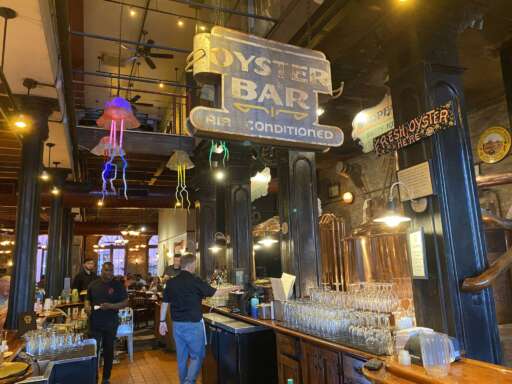
German Brewing Tradition Lives On in the French Quarter
You can still taste that German brewing heritage today at Crescent City Brewhouse on Decatur Street. Opened in 1991, it was Louisiana’s first brewpub and the first brewery to open in New Orleans in more than 70 years. Its founder and brewmaster, Wolfram Koehler, brought German brewing traditions to the French Quarter, and the beer is still made in-house using Old World techniques. The Brewhouse follows the Bavarian Purity Law of 1516, brewing with just water, malt, hops and yeast, and its lineup includes a traditional Pilsner, Weiss beer and Munich-style Black Forest. It’s a particularly New Orleans combination: German brewing heritage, Louisiana food and live jazz, all under one roof in the French Quarter.
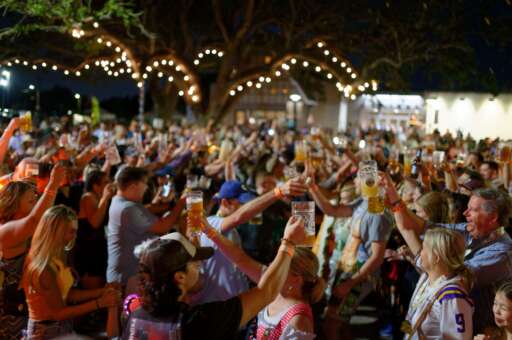
Celebrate It All at Oktoberfest at Deutsches Haus
The easiest—and certainly one of the most fun—ways to experience New Orleans’ German heritage today is Oktoberfest at Deutsches Haus.
Located on Bayou St. John across from City Park, Deutsches Haus has served as a center for German culture in New Orleans for nearly a century. The organization dates to 1928, and its current home on Moss Street opened in 2018.
For 2026, Oktoberfest takes place over three weekends: October 9–10, 16–17 and 23–24. Fridays run from 4 p.m. to 10:30 p.m. and Saturdays from 1 p.m. to 10:30 p.m. Admission is $10 at the gate, with children 12 and younger admitted free.
Come hungry. The menu includes schnitzel, bratwurst, knackwurst and weisswurst, along with red cabbage, sauerkraut, German potato salad and weekly specials such as sauerbraten and Black Forest roasted pork. You can also find warm Bavarian-style pretzels, currywurst, döner kebab, goulash, flammkuchen and plenty of strudel and other German desserts.
Naturally, there’s beer—more than 20 German varieties—plus German wines and schnapps. Add live Oompah music, dancing, the always-entertaining beer stein-holding competition and the famous Dancing Chicken, and you have a New Orleans festival that knows exactly what it is.
Photo credits: Crescent City Brewhouse and Deutsches Haus
Make Restaurant Reservations HereView our Best of Guides